
The Procurement Act 2023: How New Rules Have Transformed Government Contracting in the UK
One year after implementation, the biggest procurement reform in decades has created unprecedented opportunities for businesses to win government contracts. Our new comprehensive whitepaper reveals the strategies that work in this transformed landscape.

The Public Contracts Regulations landscape changed fundamentally on 24 February 2025 when the Procurement Act 2023 came into force. After twelve months of real-world implementation across central government, NHS trusts, local authorities, and educational institutions, the data shows this wasn't merely regulatory adjustment—it represents a complete transformation of how the UK public sector procures goods and services.
For businesses that have previously found government contracting complex or inaccessible, the new regime has systematically removed traditional barriers whilst creating genuine opportunities for small and medium enterprises to compete effectively against established suppliers.
Simplified Procurement Processes Under the New Framework
The consolidation of multiple overlapping procurement regulations into a single coherent framework has eliminated much of the complexity that previously deterred businesses from pursuing public sector opportunities. Our detailed analysis in the new "Marketing & Selling to the Public Sector in 2026" whitepaper demonstrates how these changes create practical advantages for suppliers.
Streamlined Contract Value Thresholds
The updated system operates with three clear categories:
Under £12,000: Direct procurement through low-value purchase agreements
£12,000 to £139,000: Competitive process via central digital platform
Above £139,000: Full competitive tender through central digital platform
These thresholds, updated annually and verified through GOV.UK, replace the previous complex web of different rules for different contract types and values. The whitepaper provides detailed guidance on navigating each threshold category effectively.
Central Digital Platform Implementation
The implementation of a unified digital platform represents perhaps the most significant operational change. This platform enables single registration for multiple bids, provides centralised access to all opportunities, and includes automated matching of suppliers to relevant contracts.
Suppliers using the platform report significantly improved visibility of relevant opportunities and streamlined application processes. The whitepaper includes step-by-step guidance on optimising platform profiles and leveraging automated matching features.
Transparency Requirements Drive Market Intelligence
The mandatory publication of contract performance data and 18-month procurement pipelines for opportunities over £2 million has created unprecedented market transparency. This represents a fundamental shift from the previously opaque procurement processes that left suppliers guessing about upcoming opportunities.
Pipeline Transparency Benefits
Contracting authorities must now publish detailed procurement pipelines, enabling suppliers to:
Identify relevant opportunities 18 months in advance
Plan resource allocation and capability development
Engage with buyers during early market engagement phases
Develop targeted solutions for specific upcoming requirements
Our whitepaper analysis shows that suppliers who systematically monitor and act on pipeline data achieve significantly higher bid success rates than those relying on reactive approaches to published tenders.
Performance Data Visibility
The publication of contract performance data provides strategic intelligence about incumbent suppliers' delivery records, potential renewal opportunities, and market positioning. This transparency enables more informed competitive positioning and identifies potential partnership opportunities.
SME Participation Increases Under New Regime
Official data confirms that small and medium enterprise participation in public sector contracts has measurably increased since the Act's implementation. This improvement stems from specific provisions designed to address traditional SME barriers.
Structural Changes Supporting SMEs
The shift from "Most Economically Advantageous Tender" to "Most Advantageous Tender" criteria has embedded social value considerations directly into procurement scoring. This change typically allocates 10-20% of evaluation scores to broader outcomes including local economic impact, skills development, and community benefits.
Additional SME-supporting measures include:
Encouragement of smaller contract lots to reduce barrier-to-entry thresholds
Mandatory 30-day payment terms for subcontractors
Simplified tender documentation requirements
Enhanced framework refresh cycles preventing long-term supplier exclusion
The whitepaper provides detailed strategies for SMEs to leverage these provisions effectively whilst demonstrating competitive capability against larger suppliers.
Sector-Specific Market Characteristics
Each public sector segment operates with distinct procurement characteristics, buyer priorities, and success factors. Understanding these differences proves crucial for effective market positioning.

NHS Procurement Transformation
NHS England's procurement operates through Integrated Care Systems (ICS) with approximately £35 billion in annual spend managed through NHS Commercial. The sector prioritises clinical efficacy, interoperability with existing systems, and measurable patient outcomes.
Key procurement characteristics include:
Complex multi-stakeholder decision-making processes
Regulatory compliance requirements (MHRA, NICE, CQC standards)
Long procurement cycles (6-18 months for significant contracts)
Integration requirements with Electronic Patient Records (EPRs)
Education Sector Buying Cycles

The education market encompasses over 24,000 schools, 350+ colleges, and 160+ universities, each operating with distinct seasonal buying patterns. Most institutions align procurement with academic years, creating predictable but time-sensitive opportunity windows.
Critical timing considerations include:
Summer planning periods for September academic year preparation
Financial year-end spending (March) for remaining budget utilisation
Consortium framework refresh cycles
Technology upgrade scheduling around term breaks
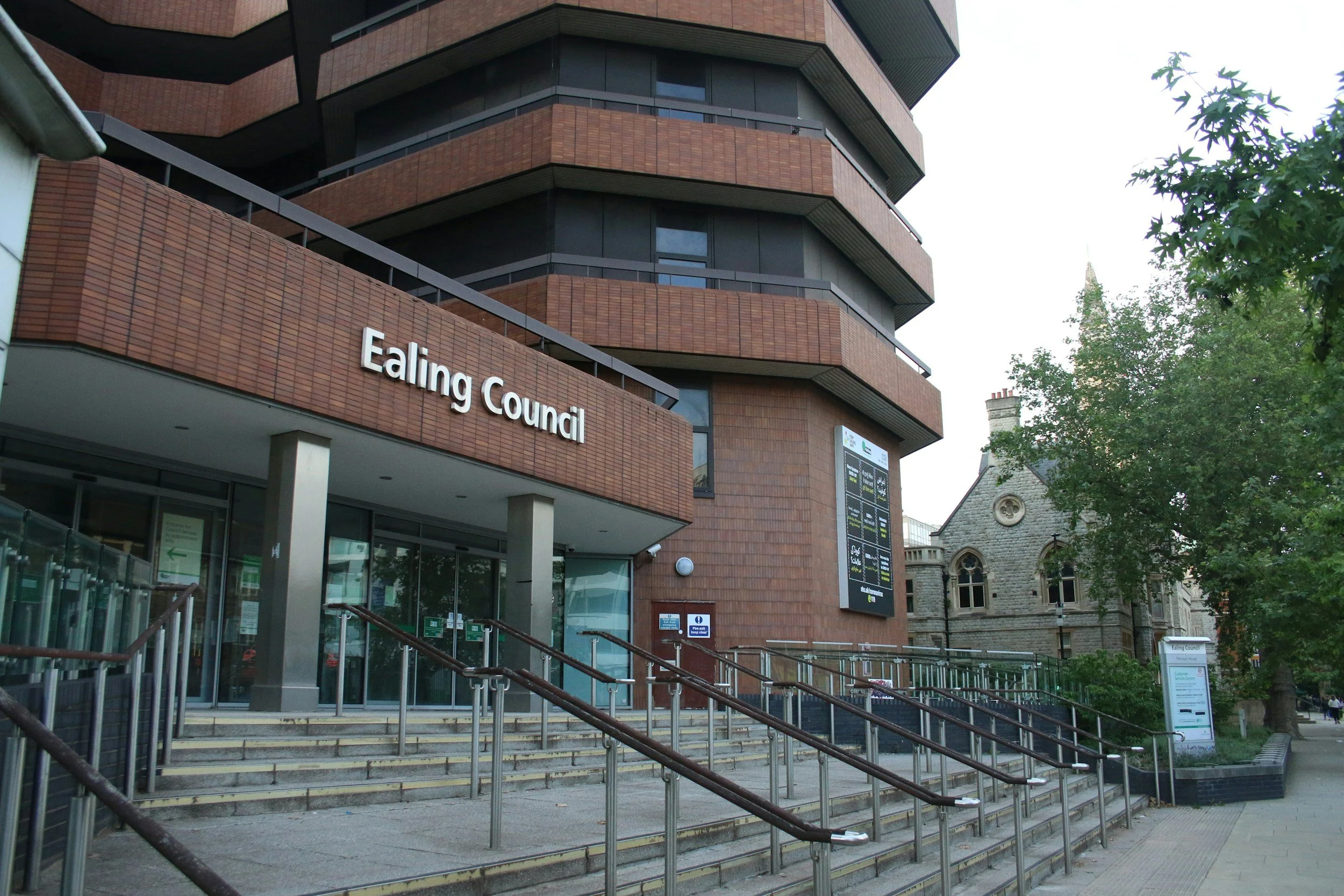
Local Government Procurement Patterns
England's 317 local authorities plus devolved equivalents manage diverse procurement requirements from housing and social care to waste management and infrastructure. Local political priorities, demographic needs, and council tax variations create both flexibility and complexity in procurement approaches.
Social value requirements carry particular weight in local government procurement, often determining contract awards where technical specifications are comparable between suppliers.
Digital Transformation Drives Procurement Priorities
Public sector digital transformation initiatives continue accelerating, creating substantial opportunities for technology suppliers. Cloud migration, artificial intelligence implementation, cybersecurity enhancement, and citizen-facing digital services represent growing procurement categories.
Emerging Technology Requirements

Current digital transformation priorities include:
Cloud infrastructure and data migration services
AI-powered analytics and decision support systems
Cybersecurity solutions and compliance tools
Digital citizen engagement platforms
Interoperability solutions for legacy system integration
Organizations successfully winning these contracts demonstrate proven technical capability, robust security credentials, and clear understanding of public sector operational requirements. The whitepaper includes detailed positioning strategies for technology suppliers targeting these opportunities.
Net-Zero and Sustainability Integration

Environmental considerations increasingly influence procurement decisions across all public sector segments. Net-zero commitments translate into specific procurement requirements including carbon reporting, sustainable supply chain practices, and circular economy principles.
Suppliers incorporating sustainability into core business models rather than treating environmental impact as compliance obligations consistently score higher in procurement evaluations. This trend accelerates as public sector organizations face increasing scrutiny over environmental performance.
Social Value Requirements Evolution
Social value considerations have evolved from peripheral add-ons to central procurement criteria. The integration of social outcomes into "Most Advantageous Tender" evaluations means suppliers must demonstrate measurable community impact, local economic development, and skills enhancement.
Successful approaches integrate social value into service delivery models rather than treating requirements as separate obligations. This includes local employment creation, apprenticeship programmes, community asset development, and supply chain diversity initiatives.
Framework and Consortium Opportunities

Crown Commercial Service frameworks continue serving as primary routes to market for many suppliers, but the updated regime offers more frequent refresh cycles and dynamic purchasing system options. Being listed on relevant frameworks provides visibility but requires active engagement with buyers to convert listings into contracts.
Regional consortiums and collaborative purchasing organisations offer alternative routes, particularly for suppliers targeting local government and education markets. These arrangements often provide more accessible entry points for smaller suppliers whilst offering bulk purchasing advantages to buyers.
Relationship Building in the Digital Age
Despite increased digitisation, relationship building remains fundamental to public sector procurement success. However, the channels and approaches for effective relationship building have evolved significantly.
Face-to-face engagement through industry events, supplier days, and informal briefings continues outperforming purely digital approaches for building trust and understanding buyer requirements. The whitepaper identifies the most effective events and networking opportunities across different sectors.
Digital engagement through LinkedIn, thought leadership content, and webinar participation supplements but cannot replace direct relationship building with procurement professionals and end-user stakeholders.
Implementation Strategy for 2026
Businesses considering public sector market entry or expansion require systematic approaches addressing market research, capability development, compliance preparation, and relationship building. Our comprehensive whitepaper provides detailed frameworks covering each implementation phase.
The optimal timing for market entry preparation aligns with public sector budget planning cycles. Organizations beginning preparation now position themselves advantageously for opportunities emerging throughout 2026.
Market Research and Intelligence
Effective public sector marketing begins with thorough market research including:
Procurement pipeline monitoring across target sectors
Competitive landscape analysis and positioning opportunities
Buyer persona development and stakeholder mapping
Capability gap identification and development planning
Compliance and Accreditation
Public sector procurement requires various accreditations and compliance demonstrations including:
Cyber Essentials Plus certification for technology suppliers
ISO standards for quality management and information security
Financial stability documentation and insurance coverage
Safeguarding policies and DBS checks where relevant
The whitepaper includes comprehensive compliance checklists ensuring suppliers meet requirements before pursuing opportunities.
Download the Complete Marketing & Selling to the Public Sector in 2026 Whitepaper
This analysis represents excerpts from our comprehensive 49-page guide covering detailed implementation strategies, sector-specific approaches, bid writing frameworks, and practical tools for public sector success.
The complete whitepaper includes:
Step-by-step market entry frameworks
Sector-specific buyer guides for NHS, education, local and central government
Bid writing templates and evaluation criteria guidance
2026 events calendar and networking strategies
ROI calculation tools and success measurement frameworks
Common pitfall identification and avoidance strategies
Access your free copy now to transform your approach to government contracting and capitalise on the opportunities created by the most significant procurement reform in decades.