
Local Government Procurement: How to Win at Council Level
Selling to local councils in the UK involves more than just offering a good product or service at a competitive price. Local authorities have political, economic, environmental and social priorities that often differ from national bodies.
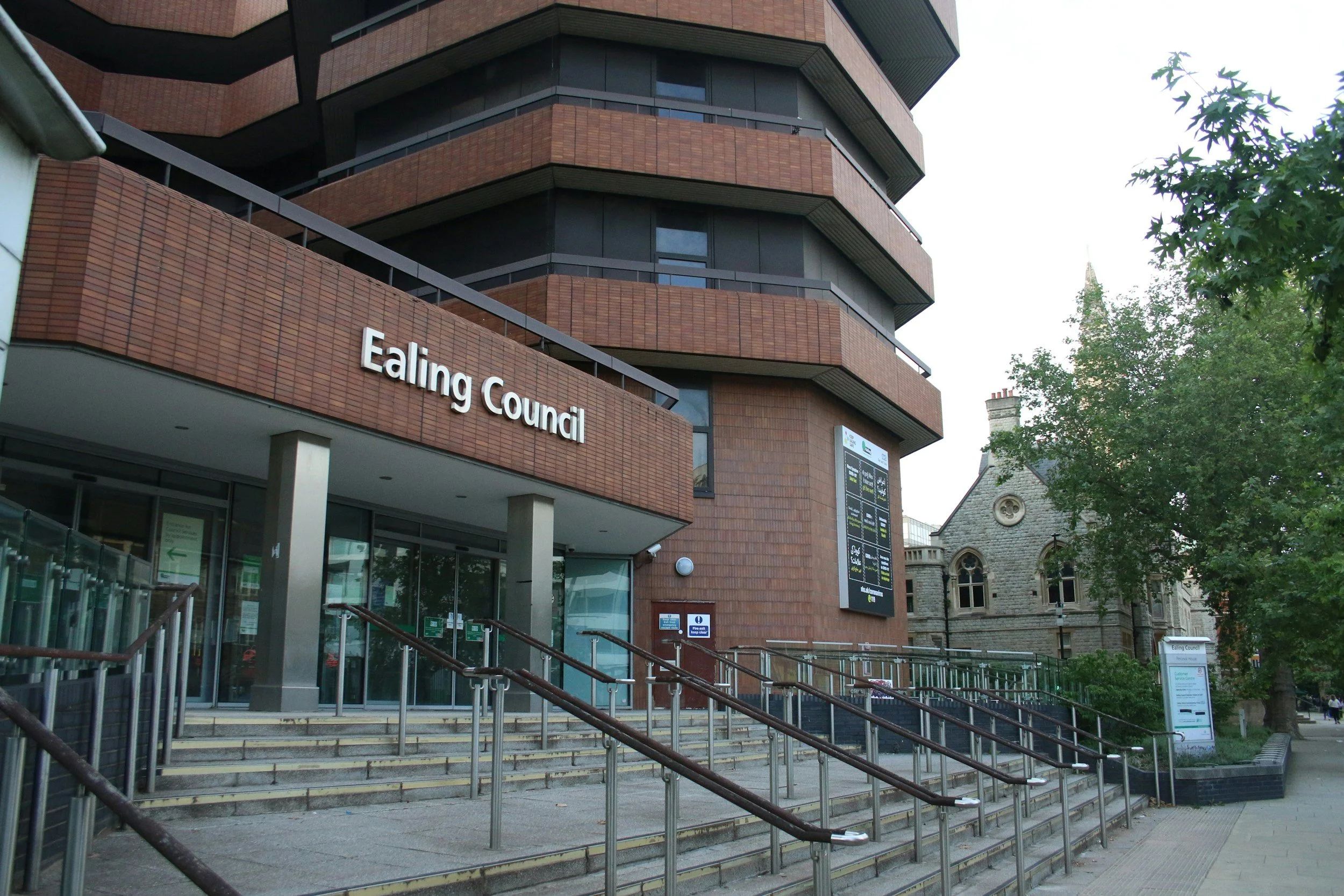
They tend to emphasise community impact, social value, local economy, sustainability, and outcomes that matter for their constituents. To succeed, suppliers need to understand these priorities, align proposals with them, and offer low-risk ways for councils to trial innovations or new suppliers.
Research local plans and elected member priorities
Knowing a council’s published strategies and what elected members are pushing for can give you a strong advantage.
Corporate plans & action plans: Councils publish their Corporate Plans or equivalent strategic plans (often for 3-5 years), setting out priorities such as housing, environment/climate, employment, health & wellbeing etc. For example, South Cambridgeshire District Council recently adopted a Corporate Plan covering 2025-2030, developed after consultation with residents. (Source: South Cambs District Council).
Committee papers & cabinet minutes: Reading recent council committee reports, cabinet agendas or scrutiny committee minutes can reveal emerging priorities or upcoming projects. Elected member priorities might shift policy or procurement in specific directions (e.g. carbon reduction, homelessness, community services, local business support).
Local economic strategies & environmental/carbon plans: Many councils have net zero targets, climate emergency declarations, and carbon action plans. Supplier proposals that deliver measurable carbon reduction, energy efficiency, or environmental benefit often resonate well.
Local social value & community wealth building: Under the Public Services (Social Value) Act 2012, councils are required to consider social, economic & environmental well-being when they procure. They increasingly use frameworks and tools to measure social value outcomes.
Use of themes, outcomes and measures (TOMs): Many councils use the national TOMs framework (Themes, Outcomes, Measures) developed by the Social Value Portal and endorsed by the Local Government Association to standardise how social value is defined and measured. Crown Commercial Service+2Local Government Association+2
What this means in practice: when designing proposals, map your product/service to these priorities, and wherever possible, quantify outcomes (carbon saved, numbers of local jobs, skills training, spend with local businesses etc.).
Pilot offers and phased delivery
Councils often prefer low-risk ways to try something new. A pilot or phased rollout can reduce perceived risk and help build trust.
Designing the pilot
Define key performance indicators (KPIs) at the outset. These should be tangible and relevant to the council’s priorities (e.g. number of local people employed/apprenticeships, reduction in carbon emissions, cost savings in service delivery).
Keep the pilot scope manageable — limited geography, limited time, reasonable scale. This helps the council evaluate it without heavy risk or cost.
Include clear metrics and reporting: how will success be measured and reported? Who is responsible? What are expected outcomes?
Scale-up plan
Beyond the pilot, councils will want to see how the solution can scale (geographically, in terms of service volume). Include a roadmap: costs, delivery, resource, training/support etc.Low entry barriers
Sometimes offering a small or phased version reduces resistance. Or propose “phase one” as a trial with optional next phases dependent on performance.Clear deliverables & guarantees
Be explicit about what you will deliver, timelines, and responsibilities. Where possible, offer guarantees or support to reduce risk for councils.
Relationship building and local credibility
At council level, personal relationships, trust and local visibility often matter more than they do in national procurement.
Local Supplier Events & Networking
Attend council-led supplier engagement days, procurement forums, business breakfasts etc. These let you meet procurement officers, commissioning leads, elected members.Engagement with Senior Officers & Members
Identify who the decision makers are for the kind of service/ product you offer (e.g. Heads of Service, Directors, Cabinet members or Portfolio Holders) and seek meetings or presentations. Showing that you understand their priorities can go a long way.Demonstrate Local Presence or Impact
If you have local operations, or can partner with local businesses, showcase that. Local employment, local supply chains, community benefits are persuasive. Councils often prefer suppliers who will contribute to the local economy.Trusted Reputation & Credibility
Case studies, references (especially within local government or adjacent sectors). Good delivery track record. Transparent governance. Testimonials etc.Visibility
Be proactive: publish content about how your product/service has delivered results locally. Engage with local media or stakeholder groups. Make sure when the council or public looks you up, you have credible, recent examples.
Social value, regulations & measurement
Because social value is increasingly a legal, policy and procurement requirement, aligning with those expectations is essential.
Public Services (Social Value) Act 2012: Requires certain public bodies, including councils, to consider how procurement might improve social, economic, environmental well-being. Local Government Association+1
National procurement strategy for Local Government (England, 2022): Councils are encouraged to embed social value in procurement and measure it using tools like TOMs or others. Local Government Association
PPN 002: Social Value Model: Starting in October 2025, the new policy makes the Social Value Model mandatory for certain in-scope procurements. It lays out standardized award criteria that contracting authorities must use (outcomes/questions/metrics) and requires minimum weighting for social value.
What councils look for in social value
Local jobs, training, apprenticeships
Local supply chain spend or supporting SMEs / VCSEs (Voluntary, Community & Social Enterprise)
Environmental/sustainability benefits (carbon reduction, biodiversity etc.)
Community outcomes: health, wellbeing, regeneration
Inclusivity, equality, reducing disadvantage
Measurement & reporting
Councils will often expect proposals that include both qualitative and quantitative social value metrics. They may require reporting during contract performance and post-delivery. Some councils set minimum percentages of contract value to be delivered in social value.
Practical proposal structure & tender readiness
To maximise success, you need to present your proposal or bid in a way that aligns with what councils expect.
| Section | What to Include |
|---|---|
| Need / Context | Demonstrate you understand the council’s local priorities (corporate plan, policies). Show local data where possible. |
| Value Proposition | What outcomes will your solution deliver locally? Social value, cost, environmental benefit, community impact. |
| Pilot / Phased Plan | Define pilot scope, timeline, deliverables, KPIs, scale-up plan. |
| Pricing & Risk | Transparent pricing, cost per unit / per benefit, optional scaling, guarantees, risk mitigation. |
| Delivery & Operational Capacity | Who will deliver, local logistics, staff, governance, quality assurance. |
| Social Value Commitments | Specific, measurable commitments (jobs, training, local spend, carbon etc.), relevant to policy and weighted in tender. |
| References / Case Studies | Especially local or regional examples, showing similar outcomes. |
Conclusion
Winning contracts at local council level hinges on more than good product or service: you need to show alignment with local political priorities, deliver community and social value, reduce perceived risk with pilot/ phased proposals, and build local credibility and relationships.
If you research a council’s published priorities, propose low-risk pilots, present strong evidence of local impact, and embed social value meaningfully in your proposals, you’ll be much more likely to succeed. Tailor proposals, stay visible locally, and ensure your offer is measurable and relevant.